
How Long Do Dentures Last?
The lifespan of dentures varies, but with proper care and maintenance, they can last 5-10 years or more.

Fresh stories, announcements and offers about Dental Clinic, Dentist, Hospital, straight from our business.
The lifespan of dentures varies, but with proper care and maintenance, they can last 5-10 years or more.
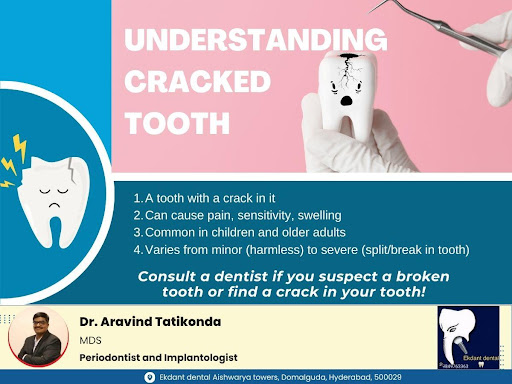
A cracked tooth is a dental condition where the tooth develops one or more cracks or fractures. These cracks can vary in size and severity, affecting the tooth's structure and integrity. Cracked teeth are a common dental issue and can cause discomfort, pain, or dental complications if not addressed promptly.
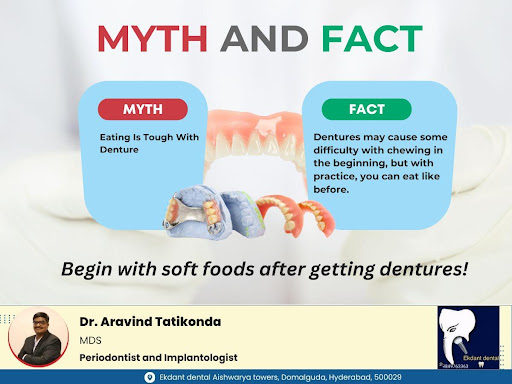
Debunking myths about dentures helps individuals make informed decisions about their dental care.
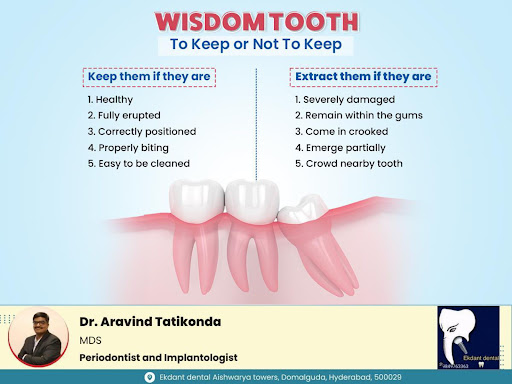
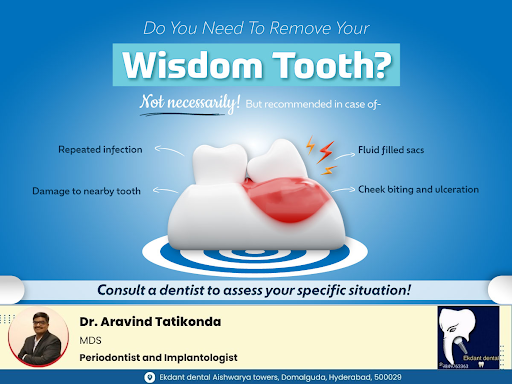
The decision of whether to keep or remove wisdom teeth is a common dilemma. While some people may have sufficient space in their mouths to accommodate these additional molars without causing any issues others may experience pain infections or dental complications due to their presence. It is important to consult with a dentist who can assess the condition of your wisdom teeth through X-rays and clinical examination.
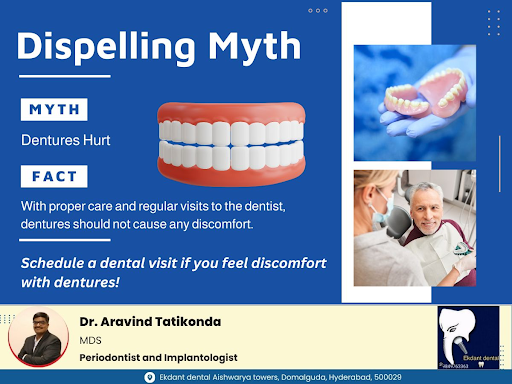
Debunking myths about dentures helps individuals make informed decisions about their dental care.
The decision to remove wisdom teeth depends on various factors and is best determined by a dental professional. While not all wisdom teeth require extraction removal may be recommended if they are impacted causing pain infections or damaging nearby teeth. Additionally removing wisdom teeth can prevent future complications such as overcrowding or misalignment.
Denture wearers should clean their dentures daily, maintain good oral hygiene, visit the dentist regularly for adjustments, and remove dentures at night to allow the gums to rest.

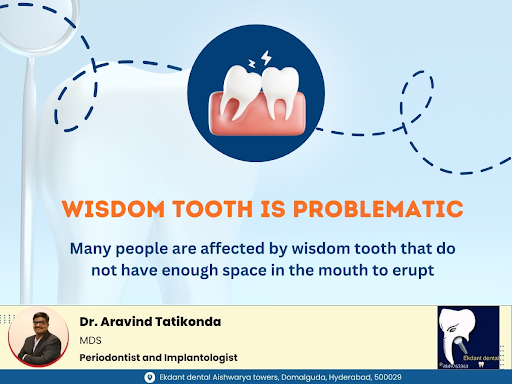
Wisdom teeth also known as third molars can often be problematic for many individuals. Due to evolutionary changes our jaws have become smaller over time leaving insufficient space for these late-developing teeth to erupt properly. As a result they may become impacted causing pain infections and damage to adjacent teeth. Additionally their misalignment can contribute to overcrowding and dental complications.
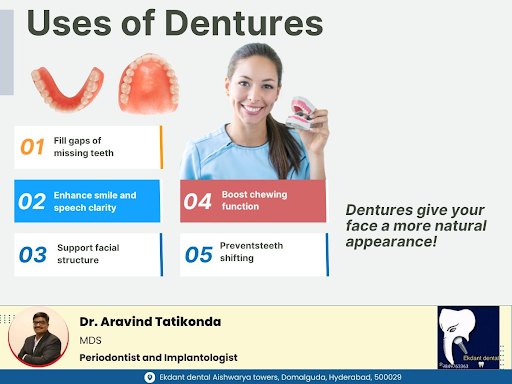
Dentures are used when individuals have lost their natural teeth due to decay, gum disease, injury, or other dental issues. They help improve chewing, speech, and appearance.
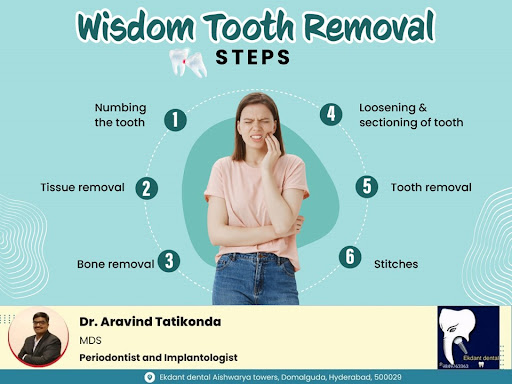
The process involves several steps starting with an evaluation and X-rays to determine the tooth's position and condition. Local or general anesthesia is administered for a comfortable experience. The dentist carefully extracts the wisdom tooth and stitches may be placed if needed.
After wisdom tooth extraction it is crucial to adhere to certain dos and don'ts for optimal healing and to minimize complications. Do take prescribed pain medications apply ice packs to reduce swelling consume soft foods and fluids maintain oral hygiene and get plenty of rest. Don't vigorously rinse or spit use straws eat hot or crunchy foods smoke or use tobacco products or engage in strenuous activities. Following these guidelines will help ensure a smooth recovery and promote oral health.

Dentures, also known as false teeth, are removable dental prosthetics used to replace missing teeth and restore oral function and aesthetics. They come in various types, such as full, partial, and implant-supported dentures.
